
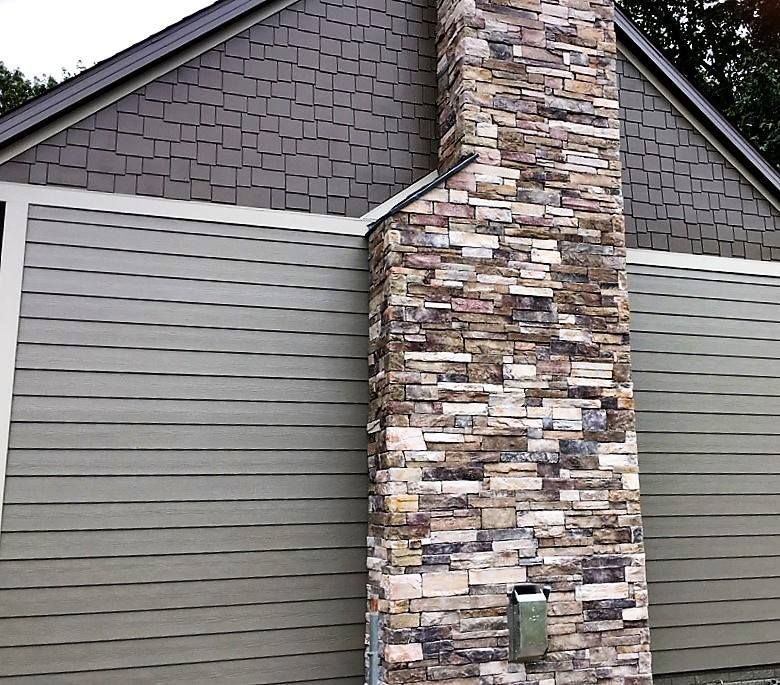
Architectural Details That Define Property Character
Stone installation in Adel for homes needing distinctive entryways, column accents, or foundation features that increase curb appeal
Stone features transform plain exterior surfaces into focal points that communicate quality and permanence, whether applied as full-height entryway surrounds, foundation wainscoting, or column wraps that frame porch openings. Properties across Central Iowa use stone accents to break up large siding expanses, add texture variation to otherwise flat facades, or create visual anchors at entries where dimensional depth makes homes more memorable from the street. Superior Exteriors installs natural and manufactured stone veneers selected to complement existing siding colors, roofing tones, and architectural styles ranging from traditional farmhouse designs to contemporary builds with mixed-material exteriors.
Stone installation begins with surface preparation—applying weather-resistant barriers and metal lath to walls or columns, then mixing mortar to bond individual stones in patterns that balance color variation and joint spacing. Each stone is set with attention to drainage planes that prevent water from migrating behind the veneer, and joints are tooled to shed moisture rather than collect it in recessed pockets. The process requires matching stone profiles to the installation location, using larger capstones at transitions and corners while filling field areas with varied sizes that create visual interest without obvious repetition.
Arrange a design consultation to review stone options and discuss placement strategies that coordinate with your home's existing materials and exterior layout.
What Stone Accents Actually Accomplish
Stone installation creates durable exterior surfaces that withstand Iowa's freeze-thaw cycles without the maintenance requirements of wood trim or the fading potential of painted surfaces. Stone veneers add three-dimensional texture that changes appearance throughout the day as sun angles shift and shadows emphasize depth at mortar joints. When applied at foundations, stone protects lower wall sections from splash-back and soil contact, and when used at columns or entryways, it provides impact resistance in high-traffic areas where other materials show wear more quickly.
After installation, stone features become permanent visual anchors that don't require repainting, refinishing, or periodic replacement like wood or composite trim elements. The material's inherent color variation ensures neighboring homes won't replicate your exact appearance even if they use similar stone profiles, and mortar joint tooling creates shadow lines that enhance dimensional depth visible from approach angles. Stone accents coordinate with siding transitions, window trim, and roofline details to create cohesive exterior designs rather than appearing as aftermarket additions.
Stone projects range from focused accent installations—a single chimney chase, entryway surround, or column treatment—to comprehensive applications covering full foundation perimeters or extending to second-story transitions. Material selection considers the home's existing color palette, with stone hues chosen to either complement siding tones or provide deliberate contrast that defines architectural features and emphasizes entry sequences or corner details.
Answers to Frequent Service Questions
Stone installation projects prompt questions about material selection, long-term durability, and how stone features coordinate with other exterior elements.
What's the difference between natural and manufactured stone veneer?
Natural stone is quarried and cut to size, offering unique color variation, while manufactured stone is cast from molds and provides consistent dimensions with color options formulated to match regional stone types common to Iowa and surrounding states.
How does stone veneer attach to exterior walls?
Installers fasten metal lath over weather barriers, then apply a scratch coat of mortar that keys into the lath, followed by individual stones set into a mortar bed and pointed with tooled joints.
What maintenance does stone require after installation?
Stone veneer needs minimal maintenance beyond occasional cleaning to remove dirt or organic growth, and mortar joints should be inspected every few years for cracks that might allow water penetration behind the veneer.
Can stone be added to existing homes without structural changes?
Stone veneer weighs significantly less than full-thickness stone masonry and can be applied to most existing wall surfaces with proper lath and mortar attachment, typically without requiring foundation reinforcement.
How do stone features integrate with siding and trim?
Installers coordinate stone edges with siding J-channels, window trim, and corner boards to create clean transitions where materials meet, using metal flashing and sealant at critical junctions to maintain weather-tight assemblies.
Superior Exteriors works with homeowners and commercial property managers in Adel to design stone installations that enhance architectural character while coordinating with roofing, siding, and window replacement projects. Request an estimate to discuss stone profiles and placement options suited to your property's style and exterior improvement goals.