
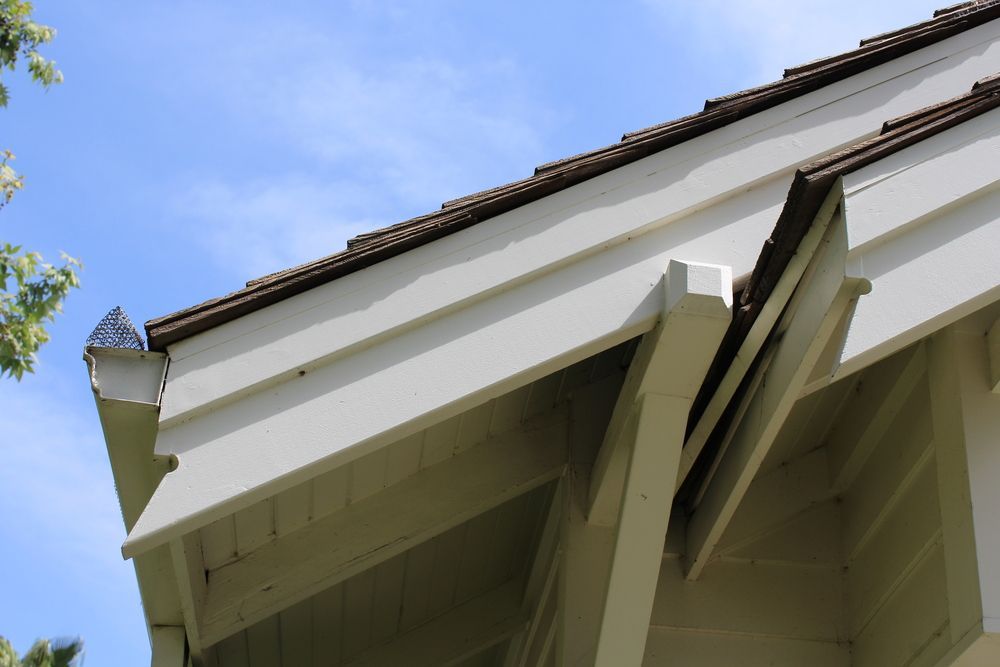
Structural Support Where Rooflines Meet Gutters
Fascia replacement in Adel for homes with sagging gutters, visible wood rot, or water stains along roofline edges
Fascia boards form the vertical surface where gutters attach to the roofline, and when these boards deteriorate from moisture exposure or insect damage, gutter systems pull away from the house and roof edges become vulnerable to water intrusion. Homes in Adel often require fascia replacement when original wood boards show soft spots, black staining from prolonged wetness, or separation from rafter tails that creates gaps behind gutter mounting brackets. Superior Exteriors replaces damaged fascia with materials engineered to resist Iowa's seasonal moisture cycles, temperature extremes, and the structural load imposed by full gutters during heavy rain events.
The replacement process begins with removing gutters to access the full fascia surface, then pulling deteriorated boards to inspect rafter tail ends for hidden rot that might extend into roof framing. New fascia boards are cut to precise lengths, primed on all surfaces to seal against moisture, and secured to rafter tails with corrosion-resistant fasteners positioned to provide solid backing for gutter hanger installation. Materials are selected to match existing trim dimensions and integrate with soffit systems, creating clean sightlines along the roofline perimeter.
Schedule a roofline inspection to identify fascia damage before it progresses into rafter framing or compromises gutter performance.
What Changes After Fascia Is Replaced
Fascia replacement restores structural integrity to the roofline transition where shingles end and gutters begin, eliminating the spongy feel of rotted wood and providing solid surfaces that hold gutter fasteners securely. When fascia boards are sound, gutters maintain proper pitch without sagging in sections where deteriorated wood compressed under the weight of water and debris, and roof edges no longer show gaps where moisture could wick into sheathing or penetrate attic spaces.
After installation, you'll see straight, uniform fascia boards that align with soffit panels and create crisp shadow lines along the roofline. Gutters sit flush against the fascia without gaps or waviness, and paint or finish coatings applied to new boards resist peeling or discoloration that occurs when moisture penetrates untreated wood. The roofline appears finished and structurally sound rather than showing the telltale signs of deferred maintenance—sagging sections, dark streaks, or visible separation between components.
Fascia projects often proceed alongside gutter replacement or roofing installations, allowing coordinated material selection and ensuring all roofline elements are updated together. Superior Exteriors uses fascia materials matched to the home's climate exposure—whether that involves PVC trim boards for areas with persistent shade and moisture retention, or aluminum-wrapped wood fascia in locations where dimensional stability and paint adhesion are priorities over pure moisture resistance.
What Property Owners Usually Ask
Fascia replacement questions typically focus on material durability, coordination with other roofline work, and indicators that replacement is necessary rather than optional.
How do you know when fascia needs replacement versus repair?
Fascia showing soft spots when pressed, black water stains extending more than a few inches, or boards pulling away from rafter tails require full replacement because the wood structure has degraded beyond reliable repair.
What fascia materials handle Iowa weather best?
PVC trim boards resist moisture indefinitely and won't rot, while primed wood fascia offers dimensional stability and paint adhesion when properly sealed on all six surfaces before installation.
Does fascia replacement require removing the roof?
Installers work from ladders or scaffolding to access fascia boards without disturbing roofing, though they inspect shingle edges and drip edge flashing during the process to identify any roof penetration points that contributed to the fascia damage.
How long does fascia replacement take for a typical home?
Most residential fascia projects in Adel are completed in one to three days, depending on the extent of rafter tail damage discovered during board removal and the number of roofline sections requiring attention.
Can gutters be reinstalled on new fascia immediately?
Gutters are remounted once fascia boards are secured and finish coatings are applied, ensuring fasteners bite into solid material and alignment is correct along the entire roofline run.
Superior Exteriors coordinates fascia replacement with gutter and soffit projects to address all roofline components during a single mobilization, minimizing disruption and ensuring materials are selected for compatibility across systems. Request a consultation to evaluate fascia condition and discuss replacement options that integrate with your home's existing exterior details and planned roofing or gutter work.