
Durable Surfaces for Entries and Outdoor Spaces
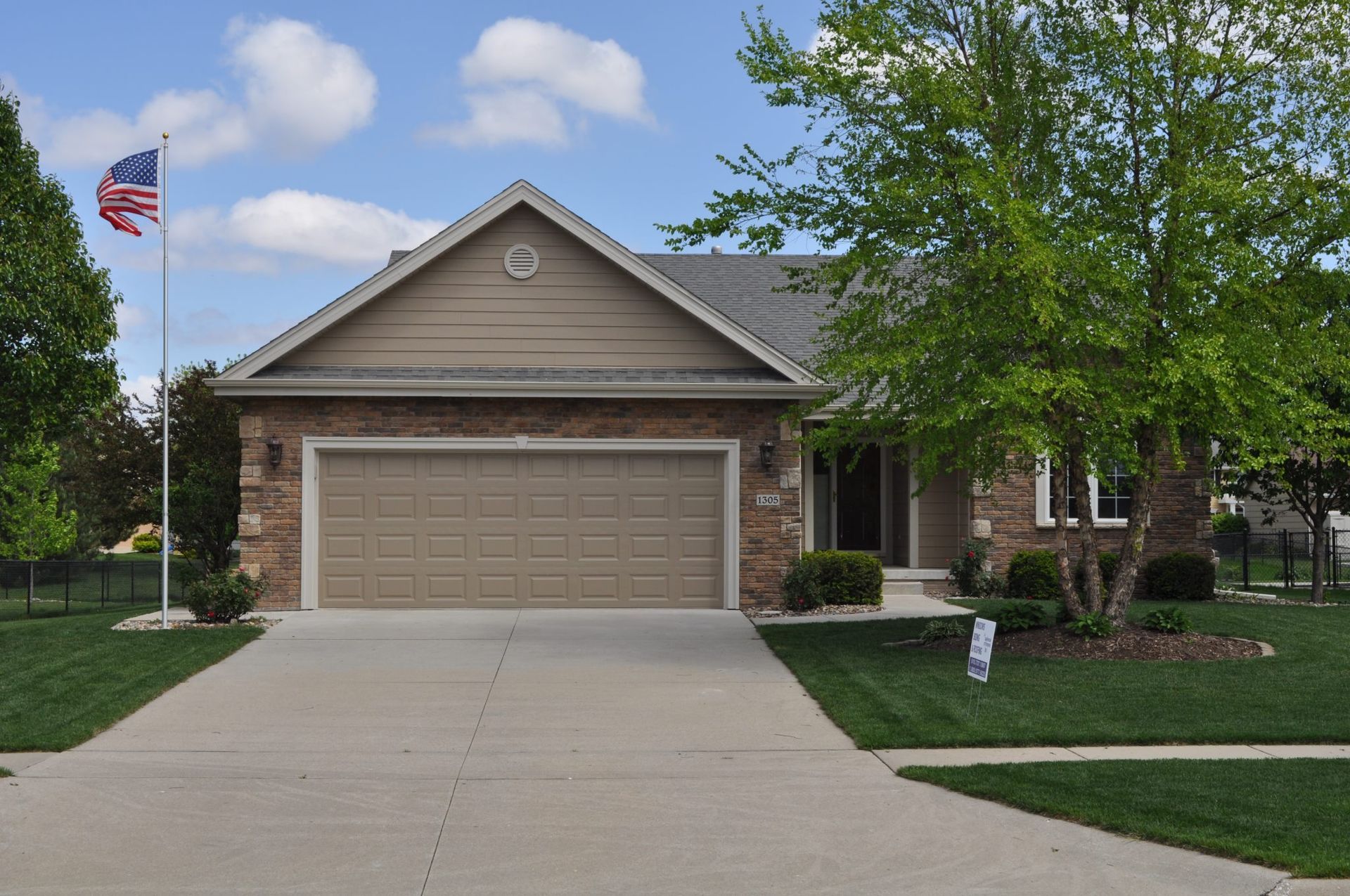
Concrete flatwork in Adel for properties needing stable walkways, patios, or exterior slabs that handle daily use and seasonal weather exposure
Cracked, settled, or deteriorating concrete creates trip hazards at entries, limits outdoor space usability, and detracts from property appearance when surface scaling or edge breakage becomes visible. Superior Exteriors pours concrete flatwork designed to provide stable, level surfaces for walkways connecting driveways to entries, patio areas extending living space outdoors, and utility pads supporting equipment or storage structures. Projects across Central Iowa address concrete that has shifted due to soil settlement, cracked from freeze-thaw damage when water penetrates inadequately sealed surfaces, or failed prematurely when improper mix design or installation shortcuts compromised long-term durability.
Concrete installation involves excavating to proper depth, establishing compacted aggregate base layers that resist settlement, and setting forms that define edges and control slab thickness. Reinforcement is positioned within the pour—either welded wire mesh or rebar depending on load requirements and slab dimensions—and concrete is placed, screeded to grade, and finished with surfaces appropriate to the function, whether broom-finished walkways for traction or smooth-troweled patios for furniture placement. Control joints are cut at intervals calculated to manage shrinkage cracking, and edges are sealed once concrete cures to prevent water infiltration that leads to freeze-thaw spalling.
Request a project consultation to discuss concrete flatwork solutions that address your property's specific site conditions and functional requirements.
What Proper Concrete Installation Requires
Concrete flatwork performance depends on subsurface preparation that prevents differential settlement and mix design that balances workability during placement with strength and freeze-thaw resistance after curing. Base layers must be compacted to density specifications that support the slab without allowing voids where soil consolidation would cause cracking, and concrete mixes require air entrainment—microscopic bubbles distributed throughout the matrix—that provides expansion space for water when it freezes within the hardened material. Without these fundamentals, concrete develops surface scaling, corner breaks, or structural cracks that compromise appearance and function within the first few freeze-thaw cycles.
After installation, you'll notice level surfaces that shed water toward edges rather than ponding in depressions, and walkways or patios that remain stable without settling or heaving at joints. Finished concrete resists surface wear from foot traffic, furniture dragging, or equipment placement, and control joints channel shrinkage cracks into planned locations rather than allowing random cracking across visible surfaces. Properly cured concrete darkens slightly as it reaches full strength, then maintains consistent color and texture through multiple seasons of exposure.
Concrete projects coordinate with landscaping, deck construction, and exterior remodeling work to ensure flatwork integrates with overall site drainage patterns and property improvements. Installation timing considers weather conditions—concrete requires temperatures above 50 degrees for proper curing, and pours are scheduled to allow finishing work before rain or temperature drops that would compromise surface quality or strength development.
Questions Before Starting Your Project
Concrete projects prompt questions about site preparation, curing time, and factors that affect long-term performance in Iowa's climate.
What thickness does concrete flatwork require?
Walkways and patios typically use four-inch slabs over compacted base, while driveways or areas subject to vehicle loads require six-inch thickness with additional reinforcement to prevent cracking under concentrated weight.
How long before new concrete can be used?
Foot traffic is safe after 24 to 48 hours once surface moisture evaporates, but concrete should cure for seven days before heavy furniture placement and 28 days before reaching full design strength.
What prevents concrete from cracking in Central Iowa winters?
Air-entrained concrete mixes, proper base compaction, and sealed control joints work together to manage freeze-thaw cycles, with joints placed every eight to ten feet to control where shrinkage cracks occur.
How does site grading affect concrete installation?
Flatwork in Adel requires minimum slope—typically one-quarter inch per foot—to ensure water drains away from foundations and doesn't pond on surfaces where freeze-thaw damage accelerates deterioration.
Can concrete be colored or textured?
Integral color additives or surface stains provide custom hues, and finishes range from exposed aggregate for textured traction to stamped patterns that replicate stone or tile appearances while maintaining concrete's durability.
Superior Exteriors evaluates site conditions during concrete consultations to identify drainage requirements, base preparation needs, and finishing options suited to each project's function and aesthetic goals. Schedule an estimate to discuss concrete flatwork that improves your property's outdoor usability and coordinates with planned exterior improvements.